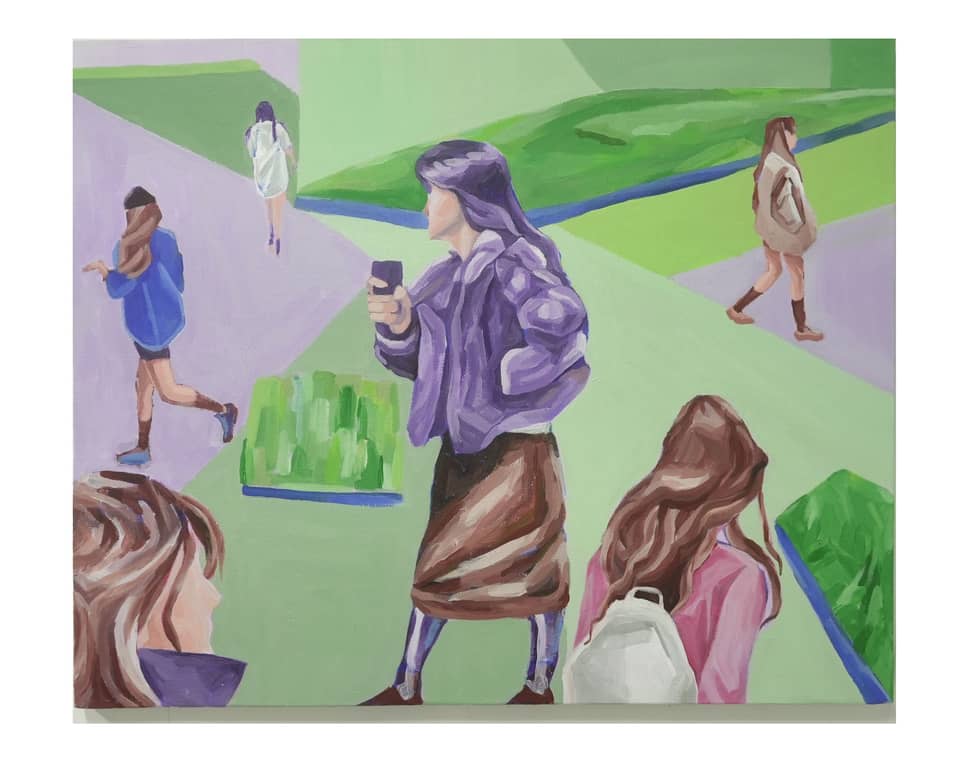
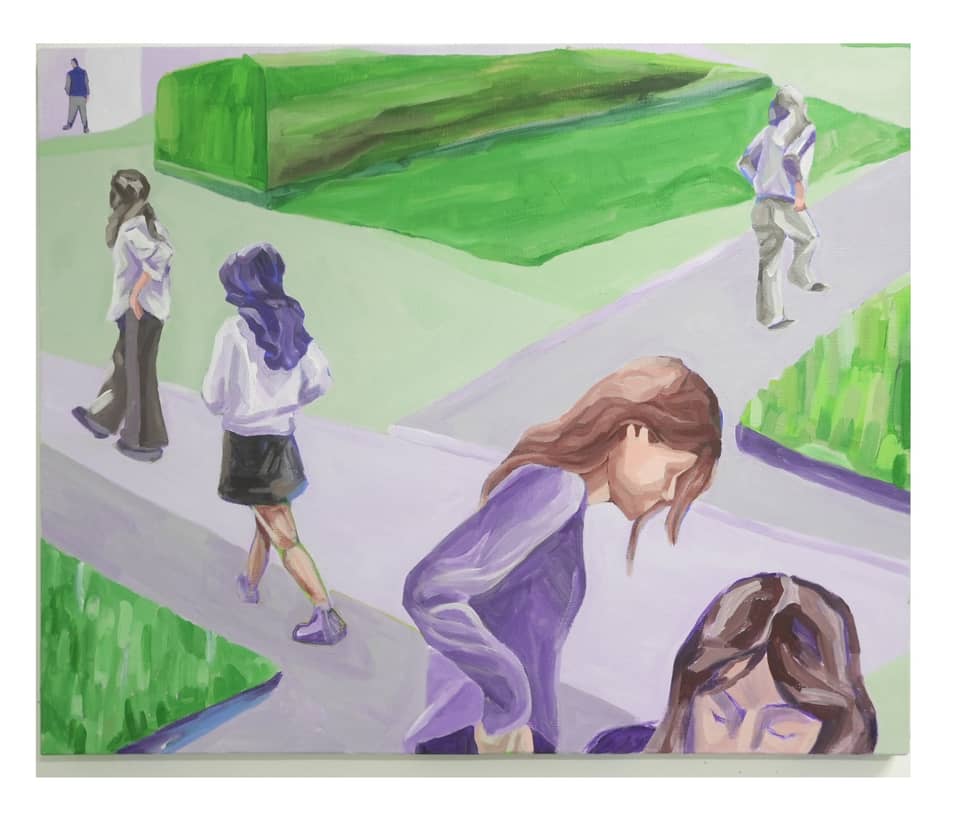
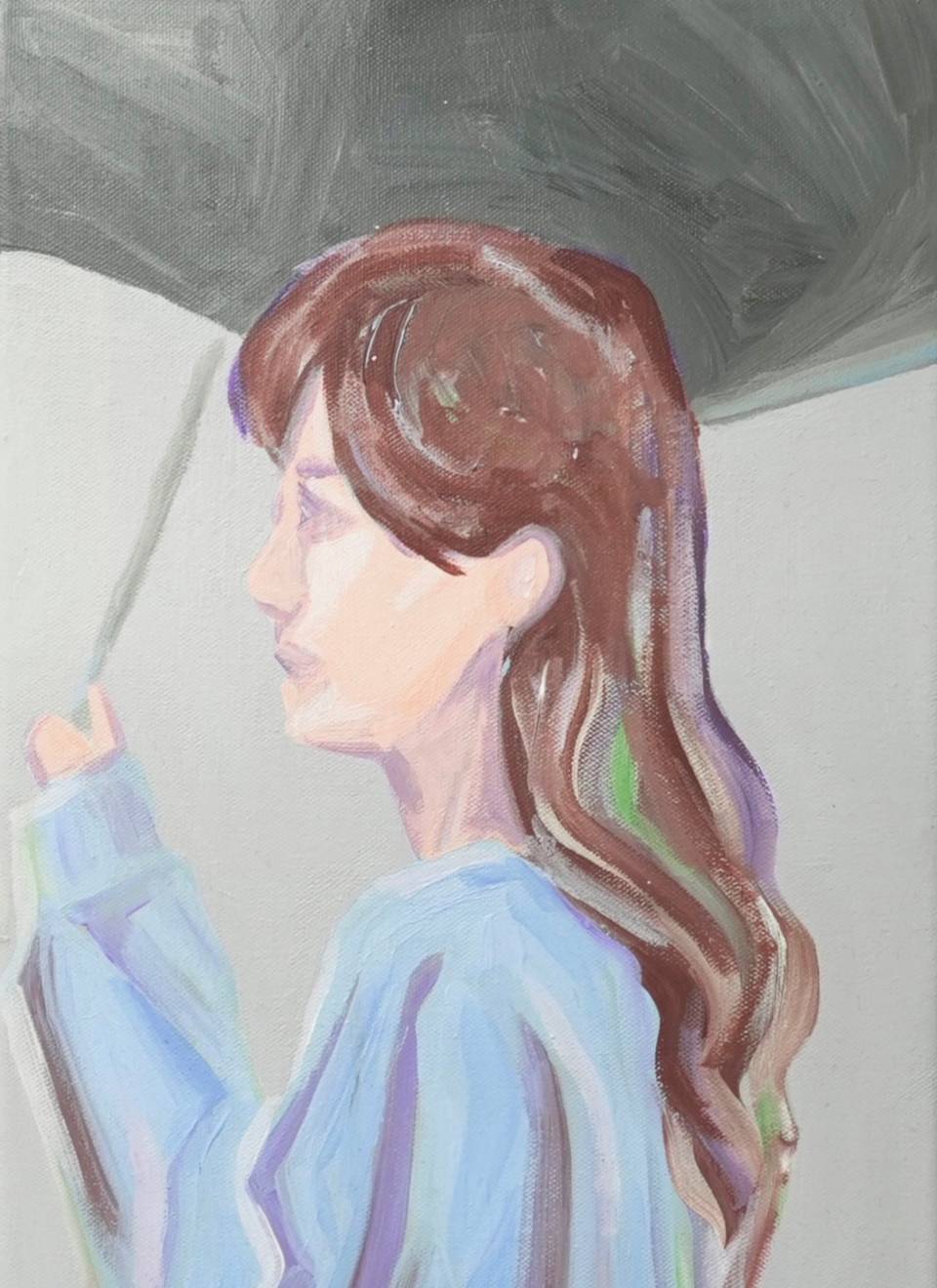
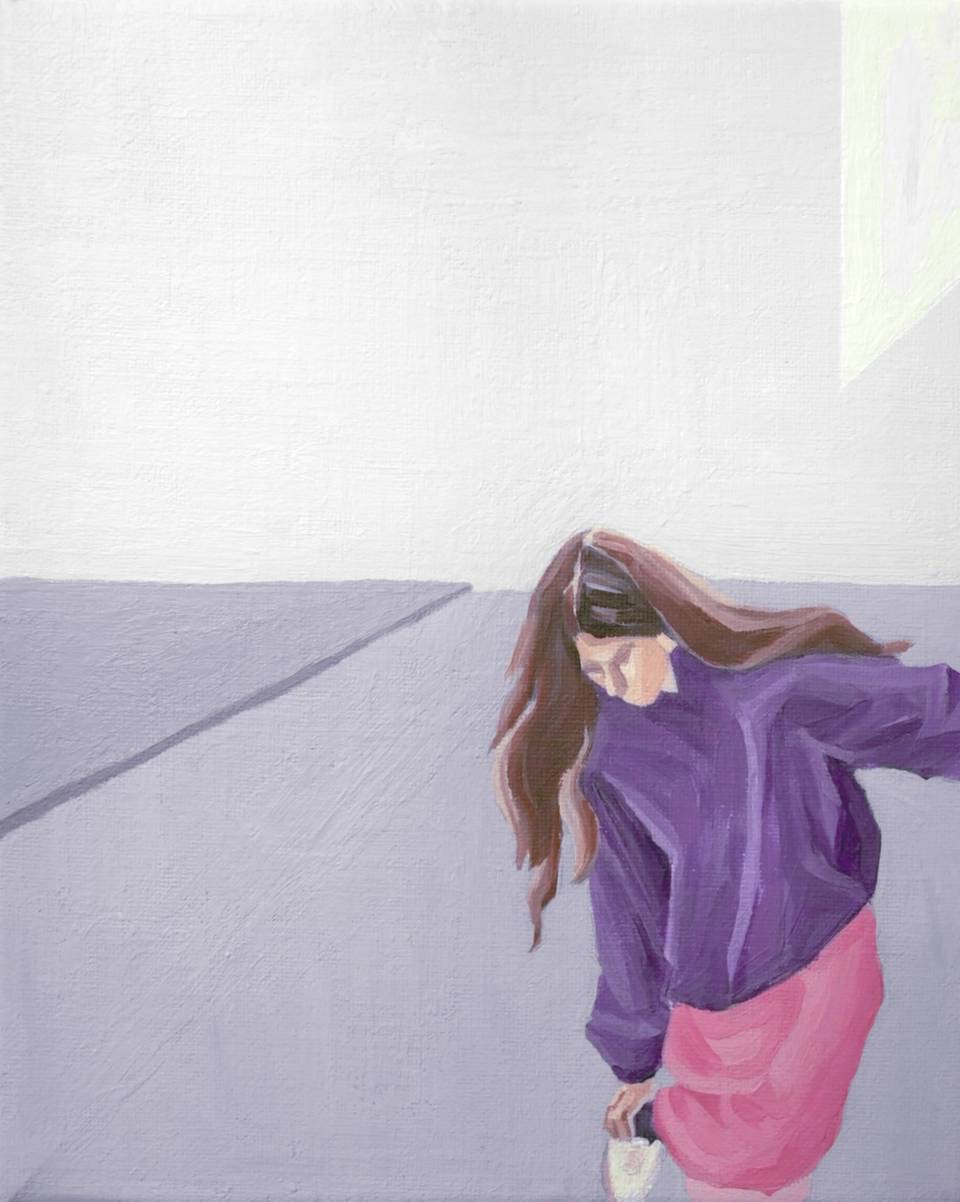
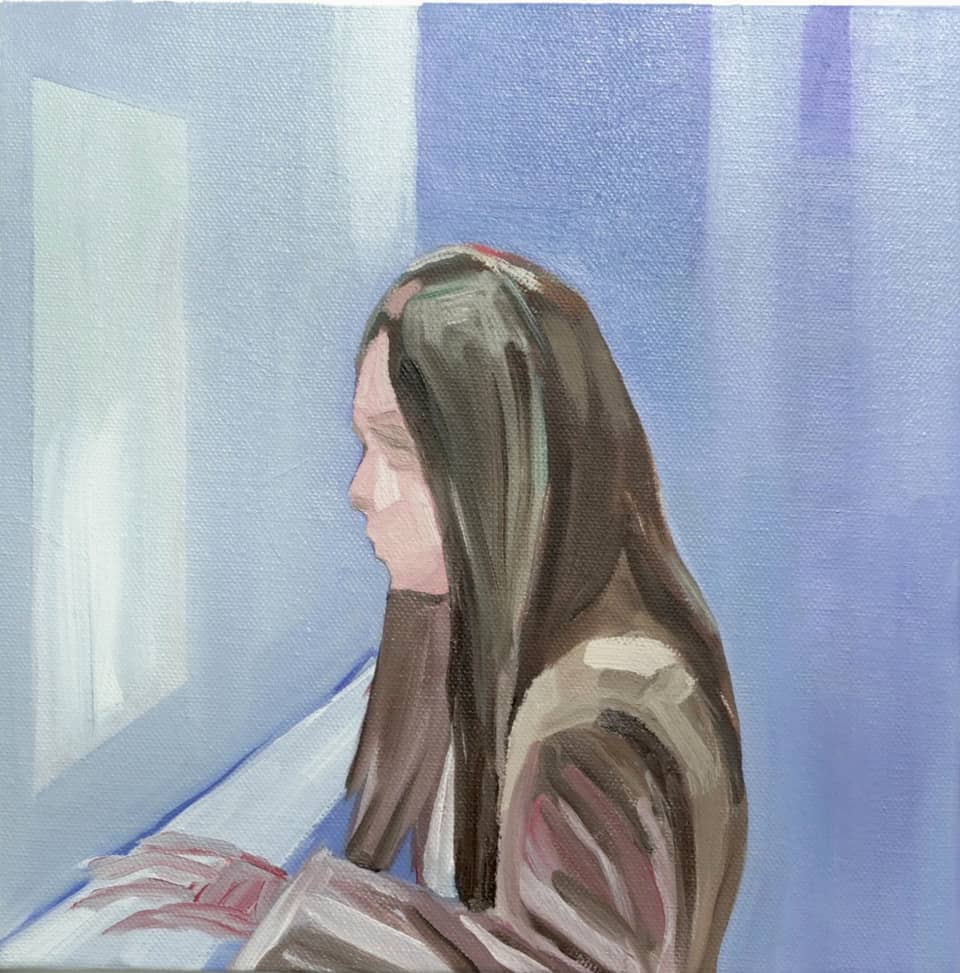
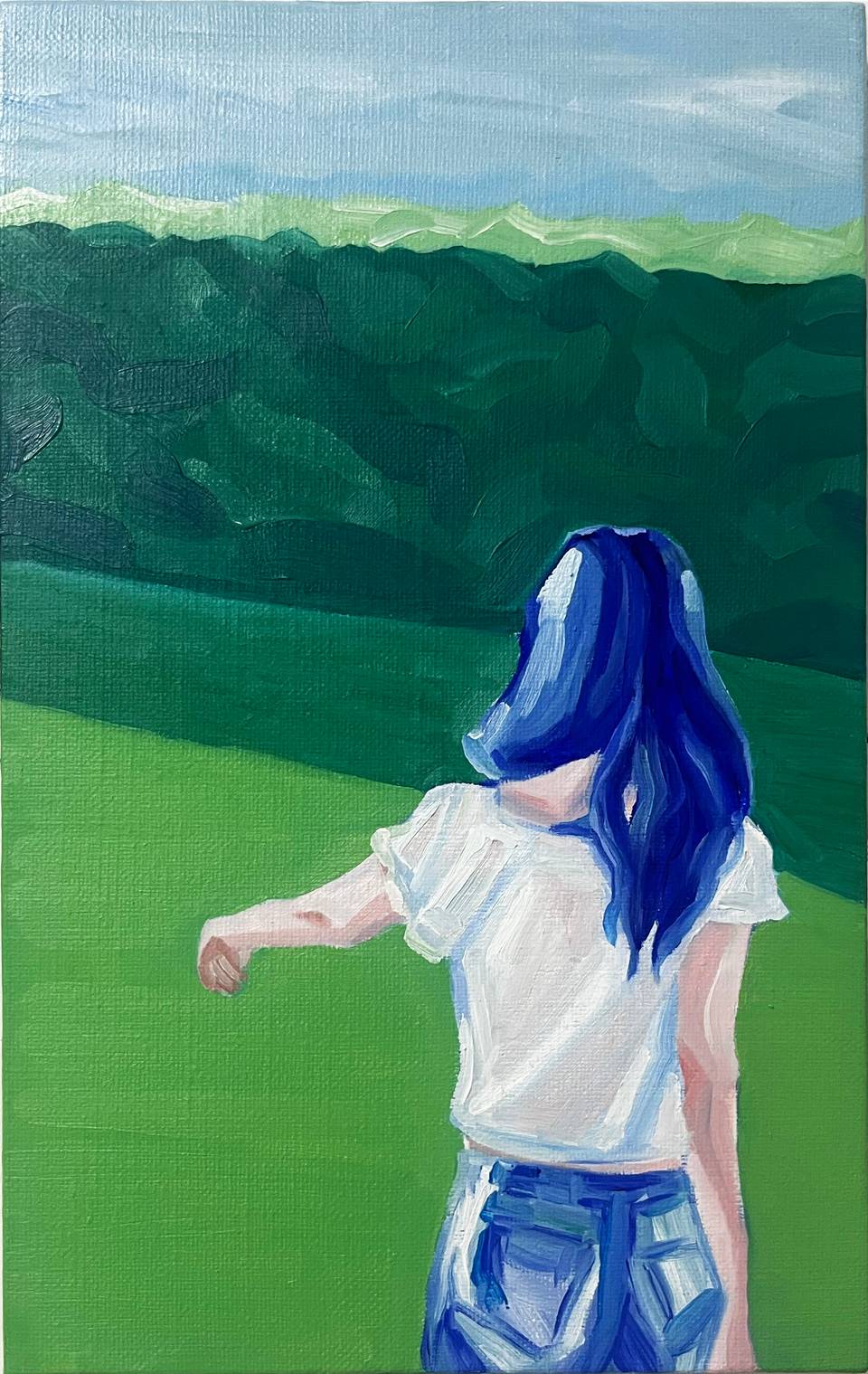
Translate인내 작가의 작품은 우리가 ‘본다’고 믿는 행위가 얼마나 불완전하고 불확실한 과정인지를 드러낸다. 화면 속 인물들은 분명 시야 안에 존재하지만, 끝까지 포착되지는 않는다. 인물의 얼굴은 명확히 드러나기보다, 일부가 비워진 채 시선의 한계를 드러낸다. 작가는 이 결손을 오류로 보지 않는다. 오히려 시선이 흔들리고 기억이 흐려지며 감정이 개입되는, 인간의 지각 구조 자체를 화면 위에 남긴다. 그림은 하나의 장면을 설명하기보다, ‘보는 과정’이 남기는 흔적에 가깝다.
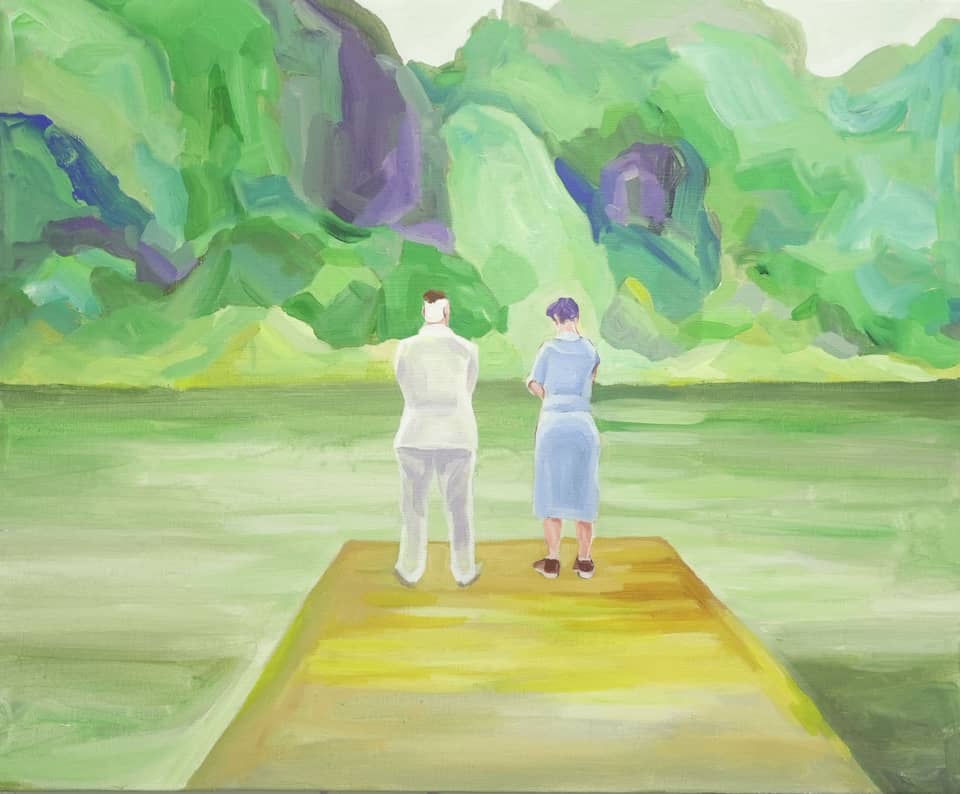
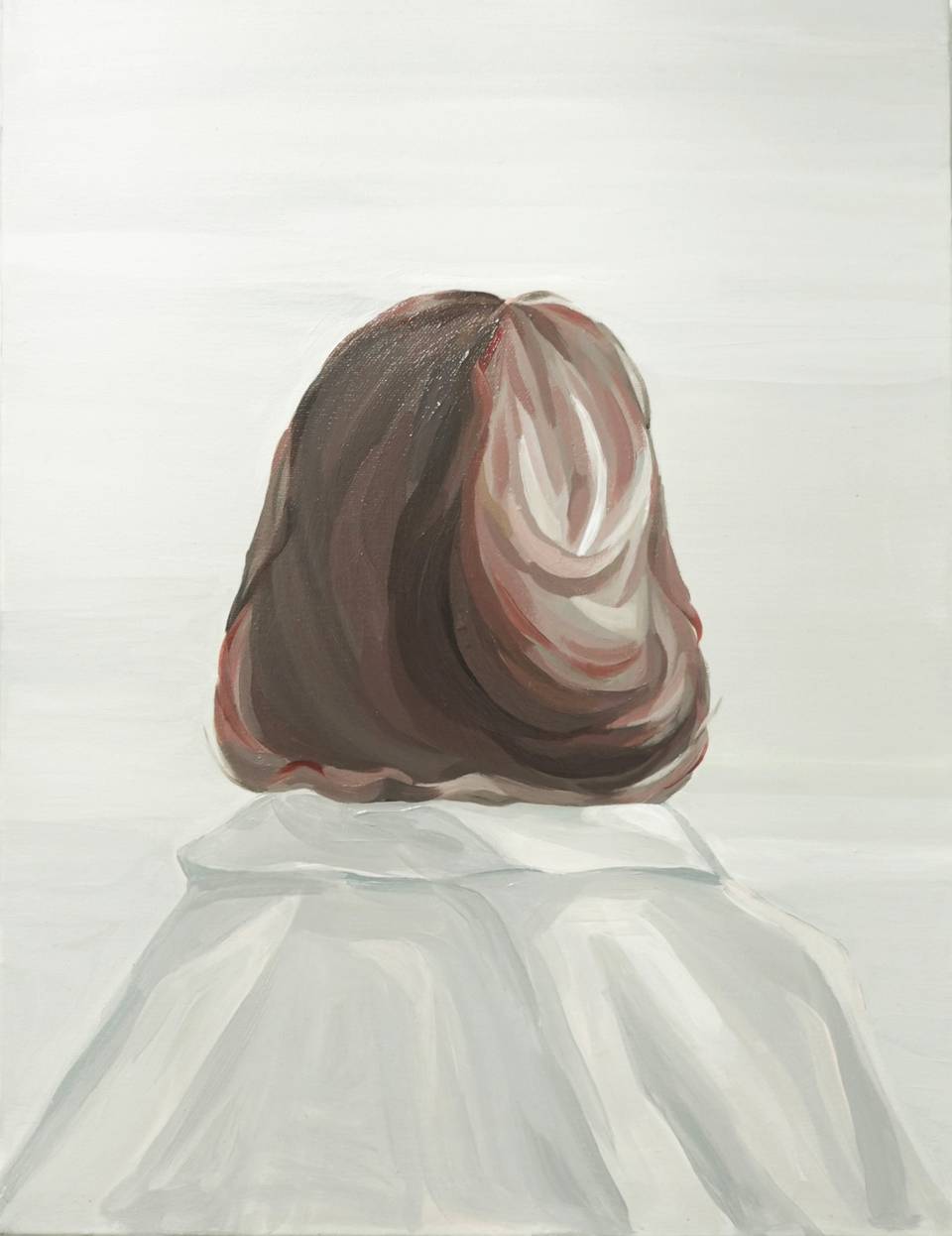
절제된 색채와 간결한 형식은 감정을 강조하기 위한 장치가 아니라, 시각적 거리와 심리적 간극을 유지하기 위한 선택이다. 색은 현실의 재현이 아니라 시간이 지난 뒤에도 남아 있는 기억의 잔향처럼 작동하며, 형상은 완결된 이미지로 고정되지 않는다. 작가의 작업은 의미를 해석하라고 요구하지 않는다. 대신 우리가 대상을 이해했다고 느끼는 순간에도 여전히 남아 있는 불확실함을 조용히 드러낸다. 그의 작품은 보는 행위를 다시 질문하게 하며, ‘보는 것’이란 언제나 부분적일 수밖에 없다는 사실을 담담하게 받아들이게 한다.written by ARTISTY, ⓒ ARTISTY Inc.
Inne’s work reveals how incomplete and uncertain the act we believe to be “seeing” truly is. The figures in his paintings clearly exist within our field of vision, yet they are never fully captured. Rather than being clearly defined, the faces of his subjects remain partially vacant, exposing the limits of vision itself. The artist does not regard this absence as an error; instead, he leaves on the surface of the painting the very structure of human perception—where sight wavers, memory blurs, and emotion intervenes. His paintings do not seek to explain a single scene, but instead register the traces left by the process of seeing.
The restrained palette and pared-down forms are not devices for emphasizing emotion, but deliberate choices that sustain visual distance and psychological space. Color functions less as a representation of reality than as an afterimage of memory that lingers over time, while form resists closure as a complete image. Inne’s work does not ask to be interpreted for meaning. Rather, it quietly reveals the uncertainty that persists even at the moment we believe we have understood what we see. His paintings prompt a renewed questioning of the act of seeing itself, inviting us to accept, with calm clarity, that vision is always necessarily partial.