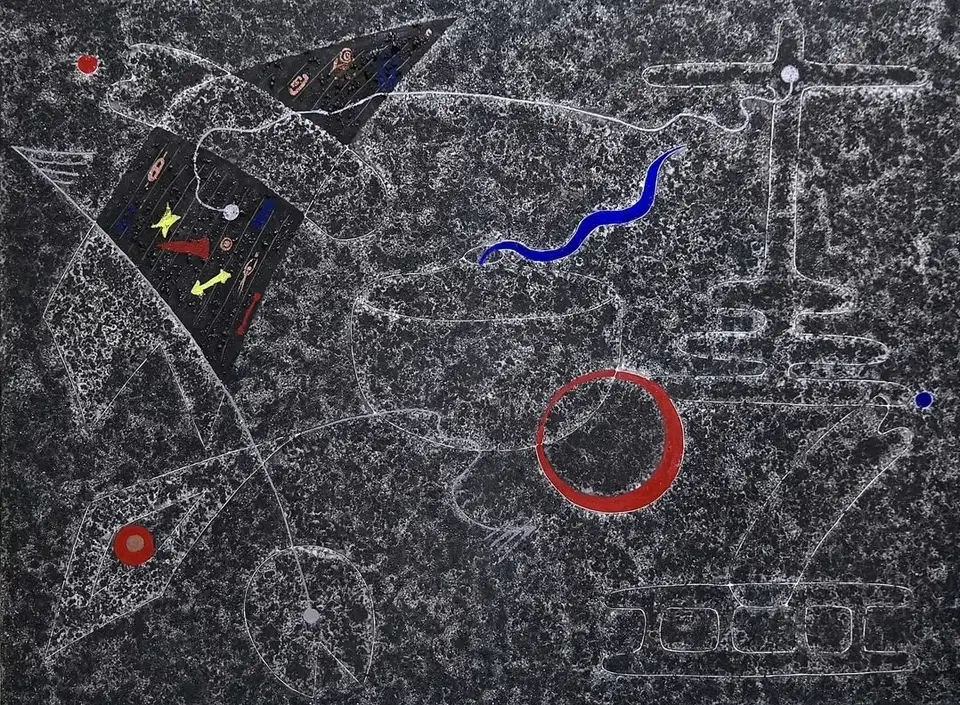
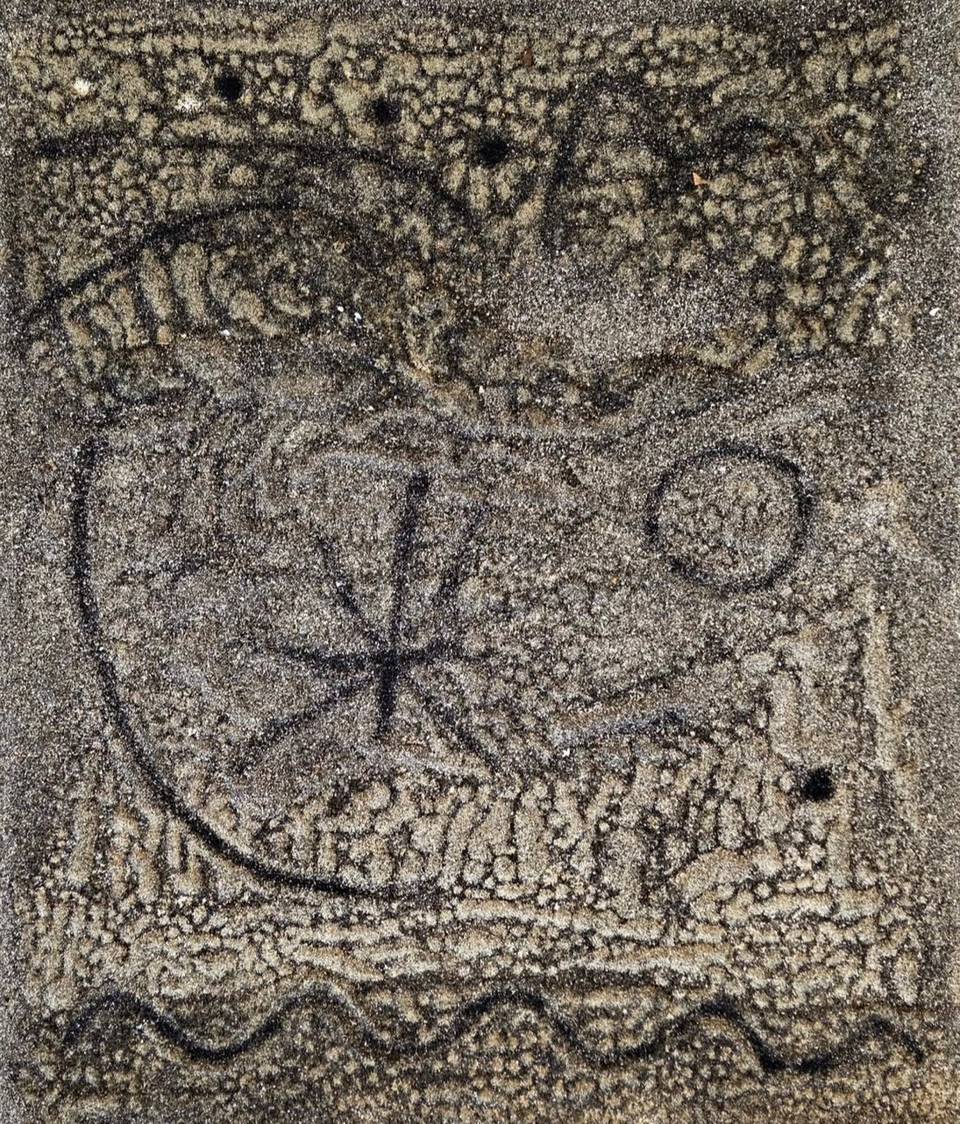
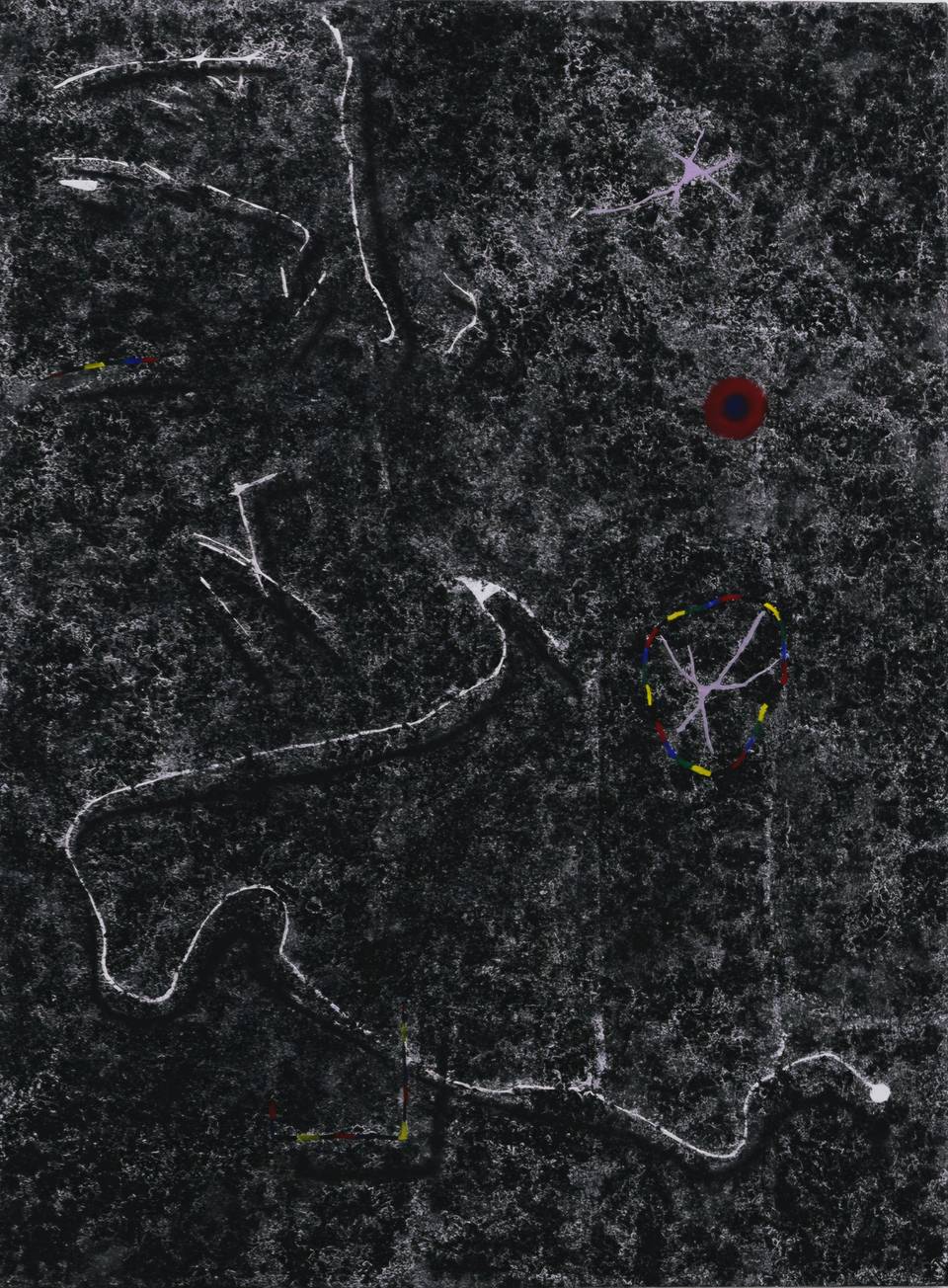
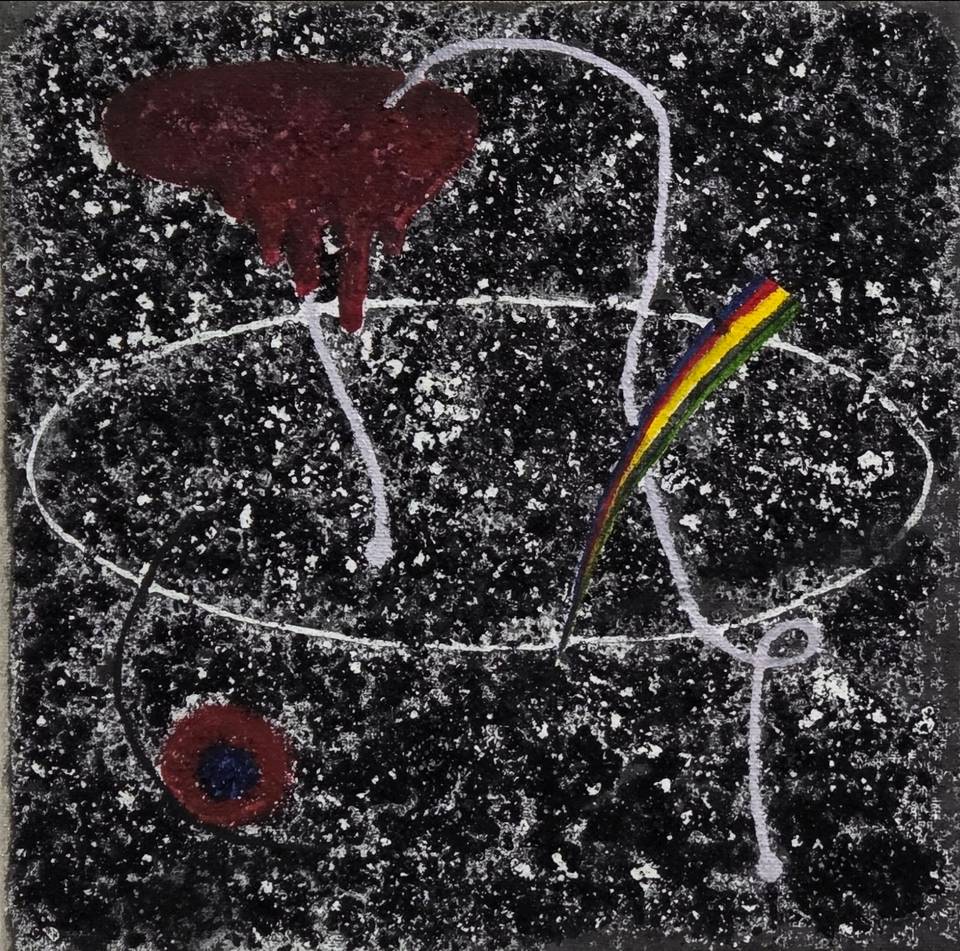
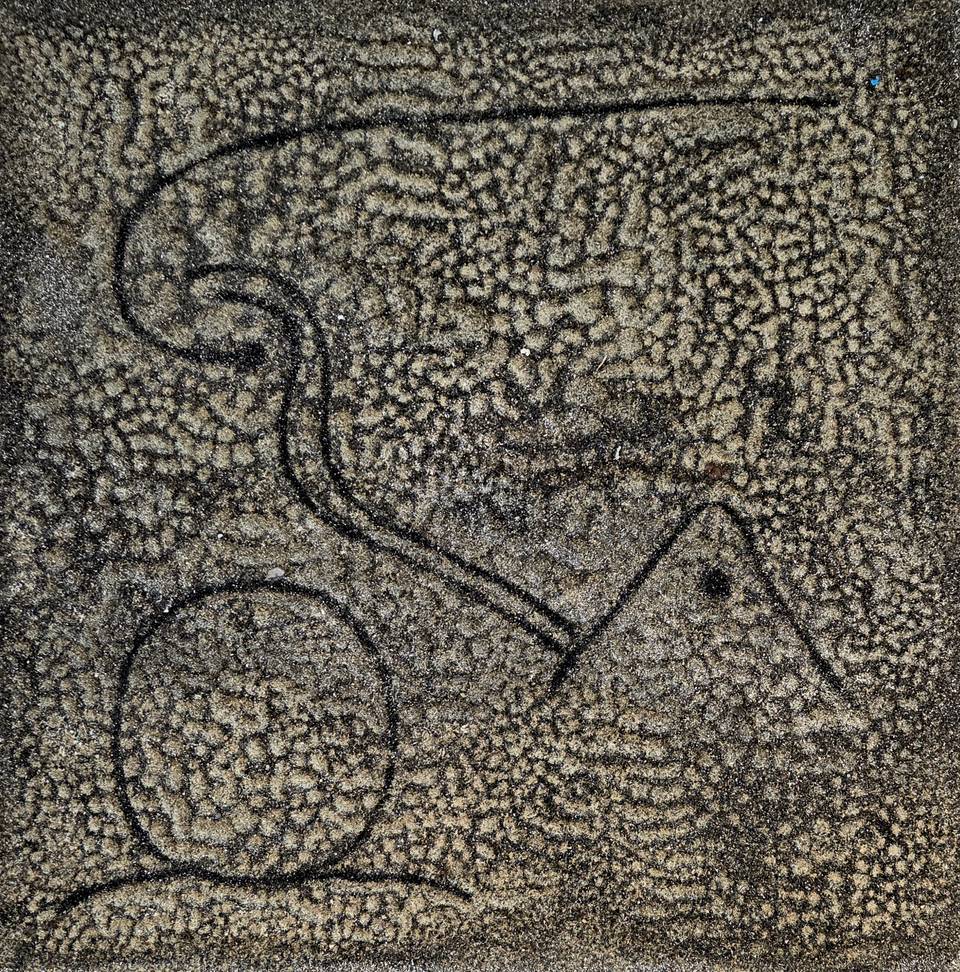
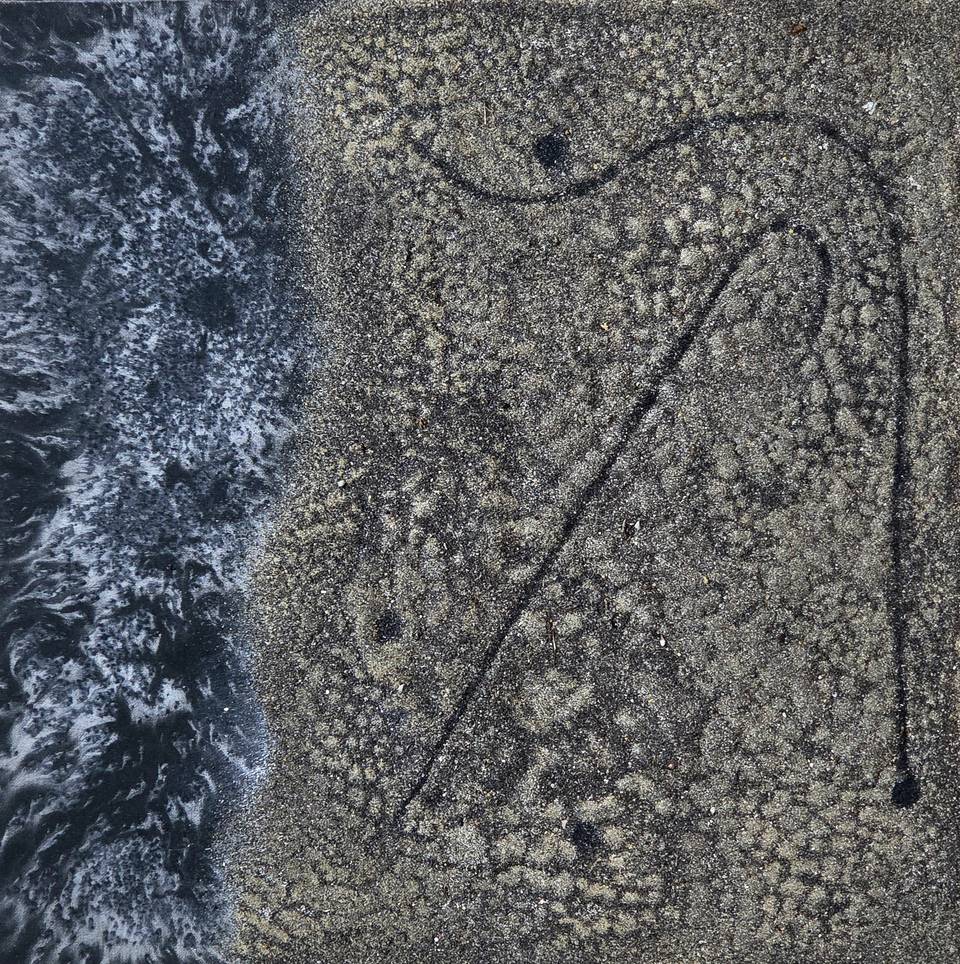
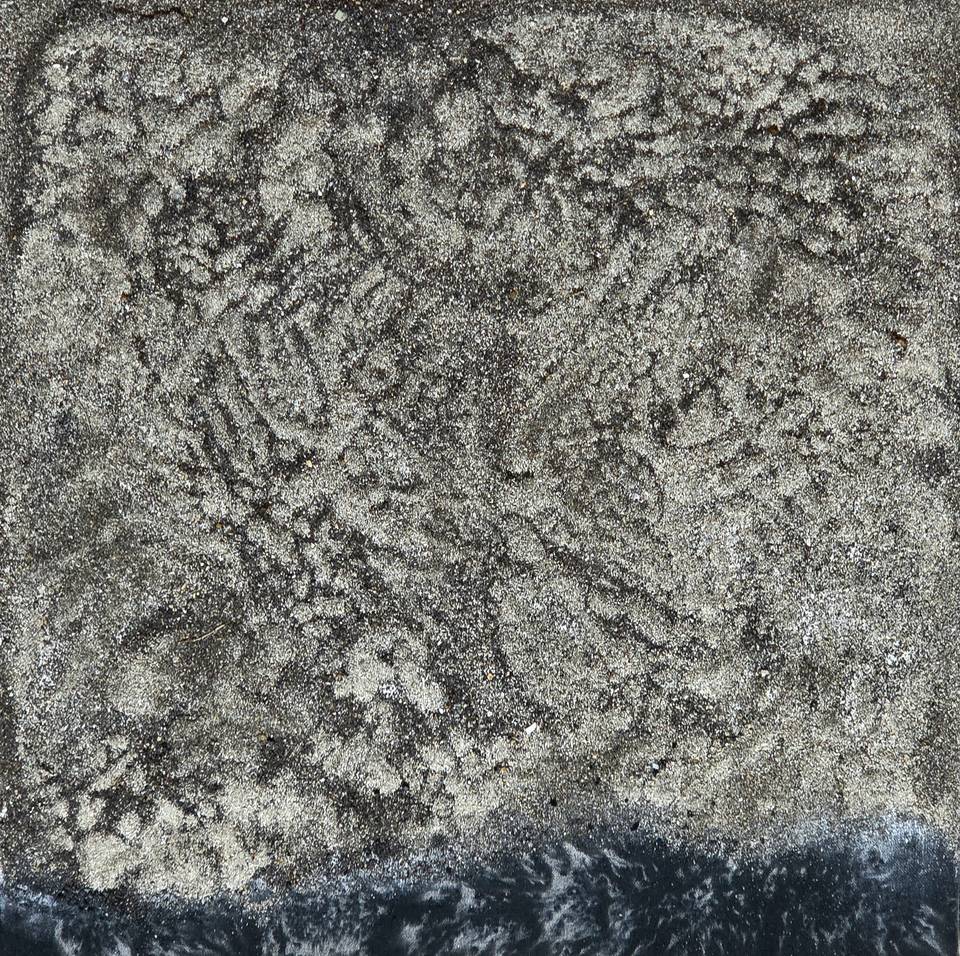
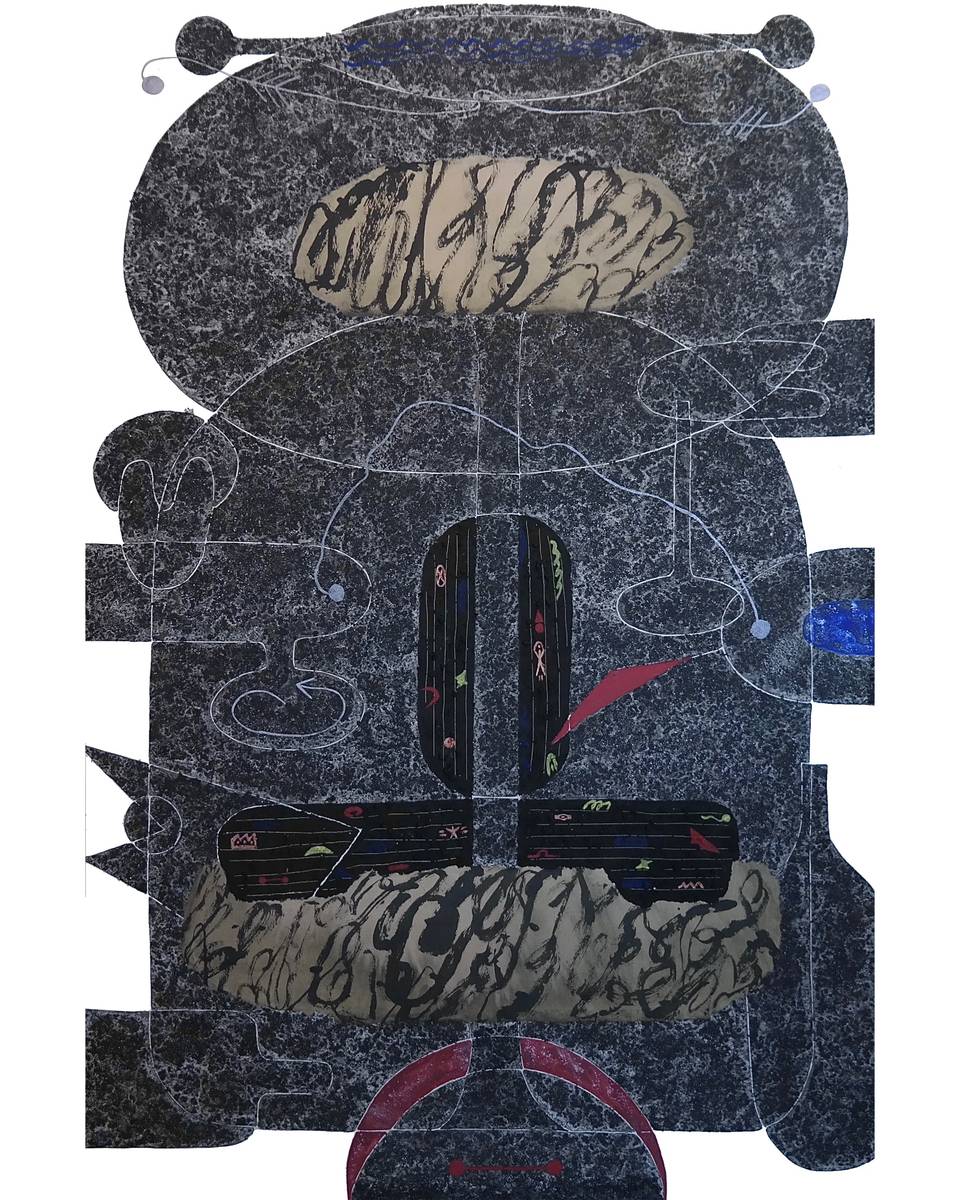
Translate최학윤 작가의 작업에서 자연은 묘사되는 대상이 아니라 화면을 형성하는 주체에 가깝다. 먹과 소금이 만나 생겨난 침전과 번짐, 균열과 결정은 작가가 미리 설계한 형태를 따르지 않고 각자의 속도와 방향으로 표면을 변화시킨다. 이때 검은 바탕은 이미지를 담는 배경에 머물지 않는다. 빛을 흡수하는 먹의 깊이와 미세하게 빛을 받아들이는 소금의 입자가 맞물리며, 오래된 흔적과 현재 진행 중인 반응이 동시에 존재하는 듯한 밀도 높은 장면을 만든다. 먹이 자아내는 침잠과 엄숙함은 자연 앞에서 느끼는 숭고의 감각으로 이어지고, 보존과 정화의 성질을 지닌 소금은 화면에 영속성과 신성함의 정서를 부여한다. 이러한 의미는 상징을 직접 묘사해서가 아니라 물질의 성질과 그것을 바라보는 감각을 통해 드러난다.
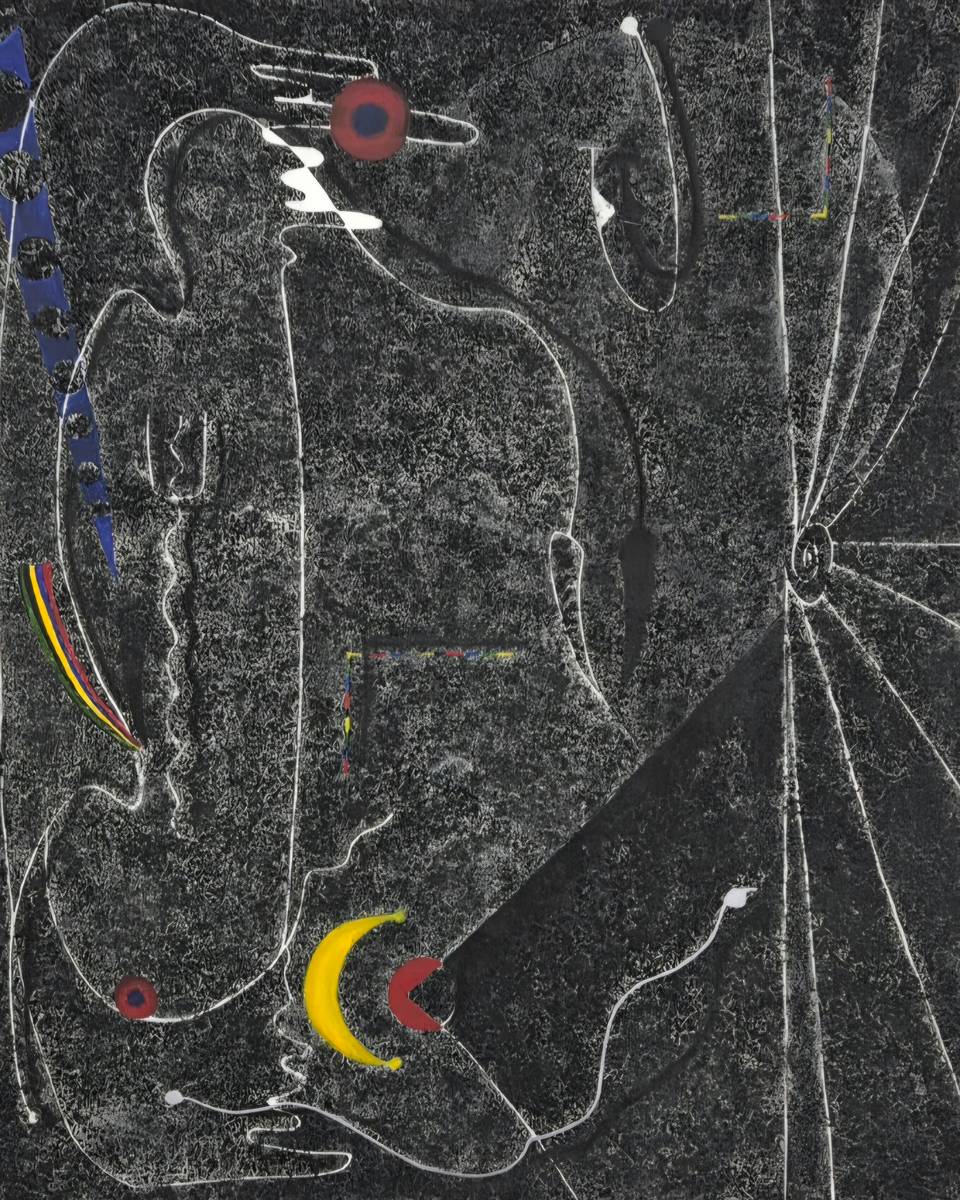
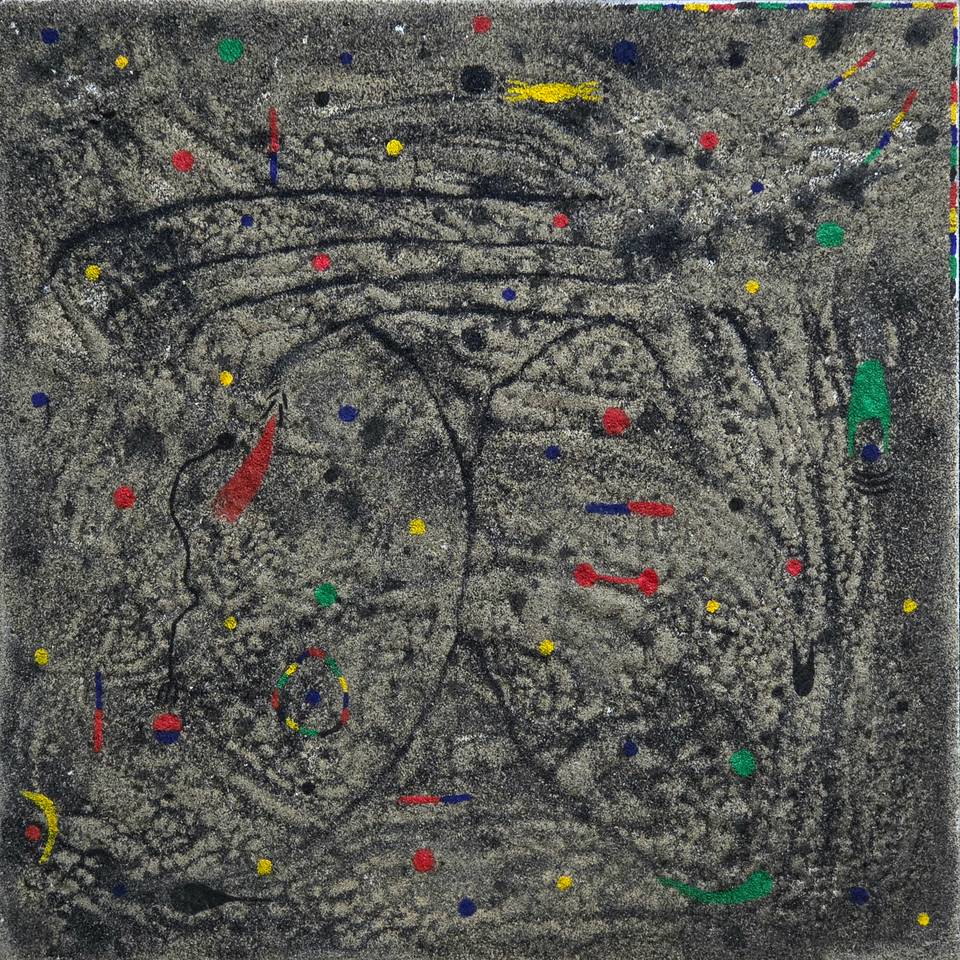
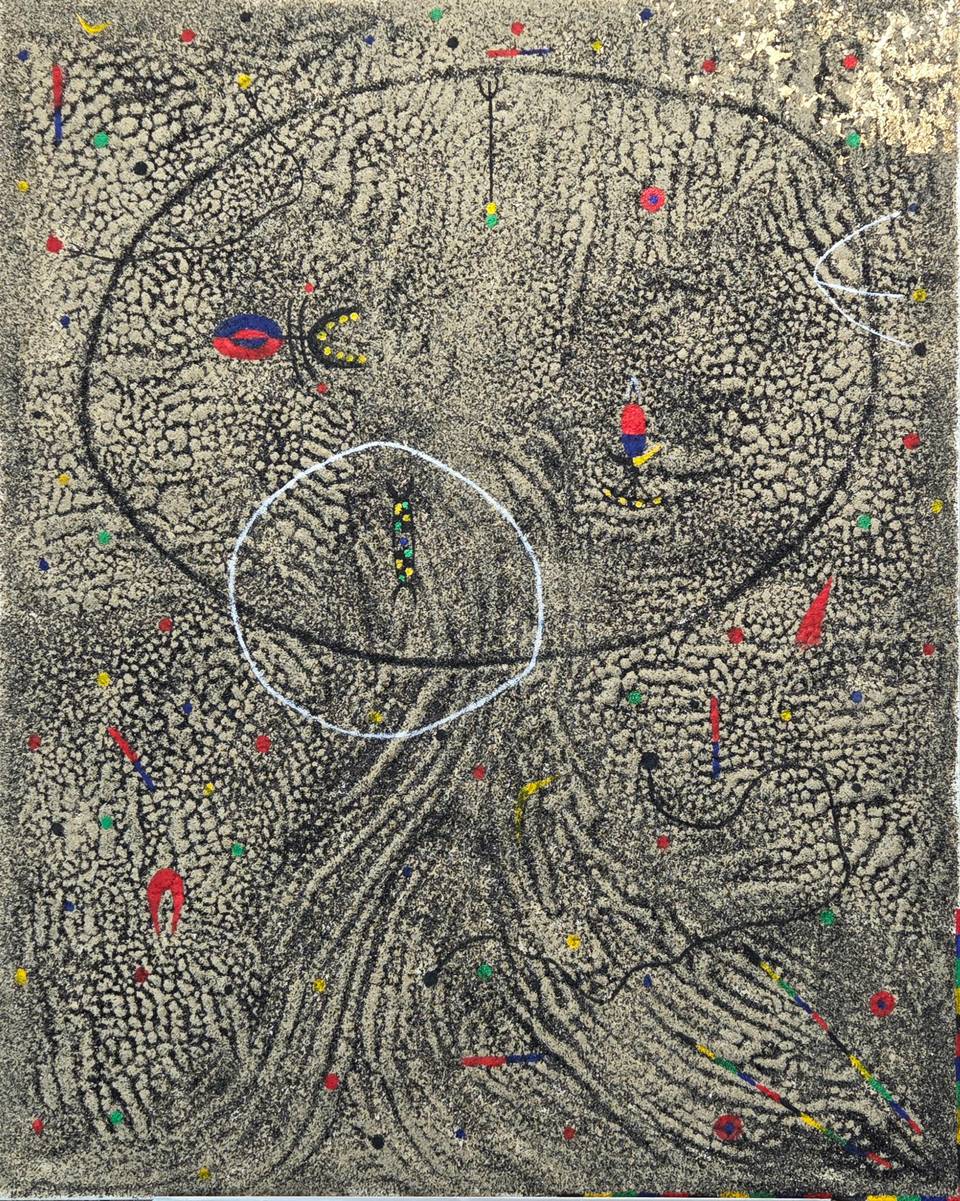
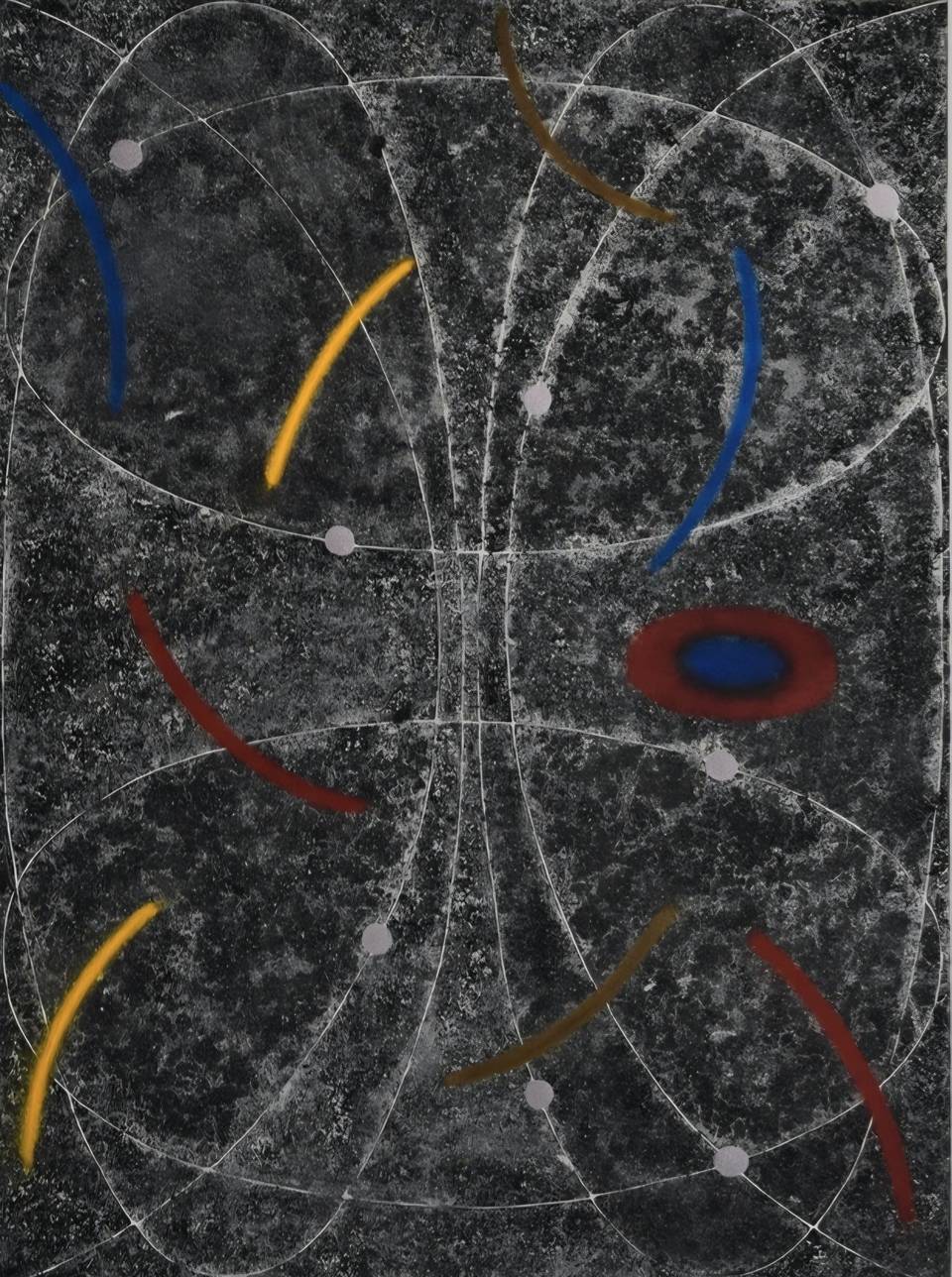
물질이 스스로 만들어낸 표면 위에는 가느다란 선과 원, 점, 단속적인 색채가 개입한다. 이들은 어떤 대상을 지시하는 기호라기보다, 우연히 형성된 물질의 흐름 위에 인간이 남긴 의도적인 표식으로 보인다. 자연의 반응과 작가의 행위가 한 화면 안에서 충돌하고 조율되는 과정은 자연과 인간의 관계를 설명하는 최학윤만의 회화적 방식이다. 관람자의 시선 역시 거친 표면의 깊이와 그 위를 가로지르는 선 사이를 오가며, 하나의 명확한 의미에 정착하지 않는다. 작가의 작업은 자연을 이해하거나 소유하려는 시선에서 벗어나, 감각을 열어두고 그 앞에 머무는 경험을 제안한다.written by ARTISTY, ⓒ ARTISTY Inc.
In Choi Hakyoon’s work, nature is not an object to be depicted, but an active force that shapes the surface itself. The sedimentation, bleeding, cracks, and crystallization produced by the interaction of ink and salt do not conform to forms predetermined by the artist; instead, they transform the surface according to their own rhythms and directions. Here, the black ground is more than a backdrop for imagery. The light-absorbing depth of the ink and the fine salt particles that subtly catch the light come together to create a densely layered field in which ancient traces and ongoing material reactions seem to coexist. The stillness and solemnity evoked by the ink lead to a sense of the sublime experienced before nature, while salt—with its associations of preservation and purification—imbues the surface with a feeling of permanence and sacredness. These meanings emerge not through the direct depiction of symbols, but through the properties of the materials and the sensory experience of encountering them.
Across the surface formed by the materials themselves, the artist introduces fine lines, circles, dots, and intermittent accents of color. Rather than functioning as signs that refer to specific objects, they appear as deliberate human marks placed upon the accidental flow of matter. The collision and reconciliation between natural processes and the artist’s intervention within a single pictorial field constitute Choi’s distinctive way of articulating the relationship between nature and humanity. The viewer’s gaze moves between the depth of the rough surface and the lines that traverse it, without settling into a single, fixed interpretation. The artist's work ultimately invites us to move beyond the impulse to understand or possess nature, and instead to remain before it with our senses open.